
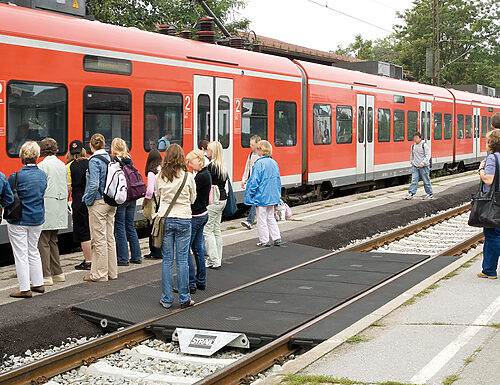
Level crossing systems for low loads
Trusted solutions for pedestrians, secondary roads, bicycle traffic and emergency routes.
Not every level crossing has to carry loads weighing several tons, but safety and durability are always crucial. With inno and pede, KRAIBURG STRAIL offers two sophisticated systems for level crossings with low traffic volumes. They are ideal for stops, stations, branch lines or inner-city track areas where pedestrians, cyclists and maintenance personnel are the main users. The systems are quick to install, durable and economical. They offer maximum safety with minimum effort.
Our products for low loads
References
A safe level crossing for all road users
pedeSOLAR creates bright, intuitive guidance for pedestrians at level crossings
It delivers clear, additional guidance for cyclists and pedestrians, particularly in school zones in Kaltenkirchen South, Germany. By harnessing solar energy, it helps minimize accident risk in low-light conditions and sustainably enhances traffic safety in an environmentally friendly way.
inno: Emergency access and derailment protection on Water Tower Bridge
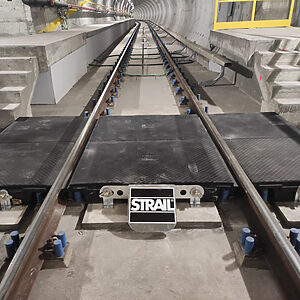
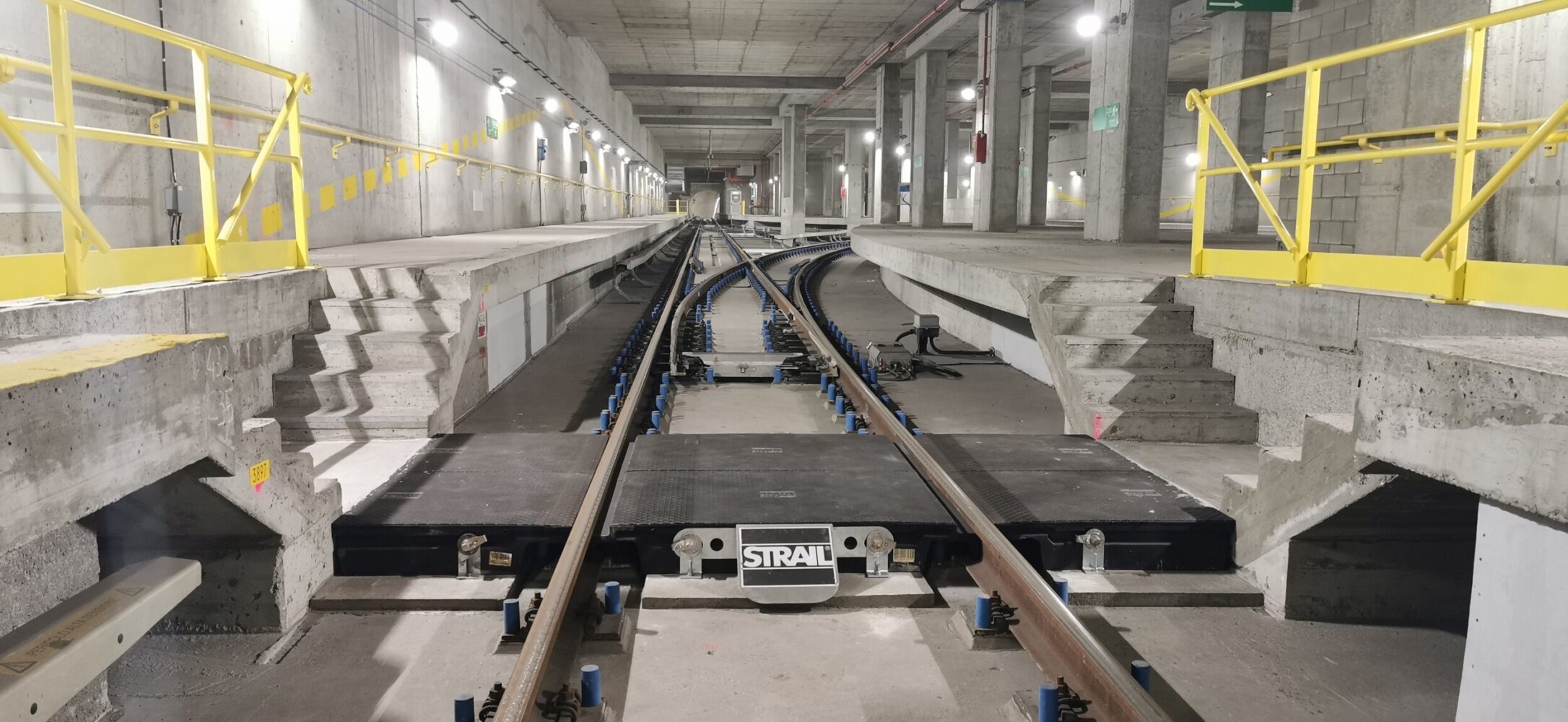
Flame-retardant pede solution for metro tunnels
The advantages of STRAIL level crossing systems for low loads
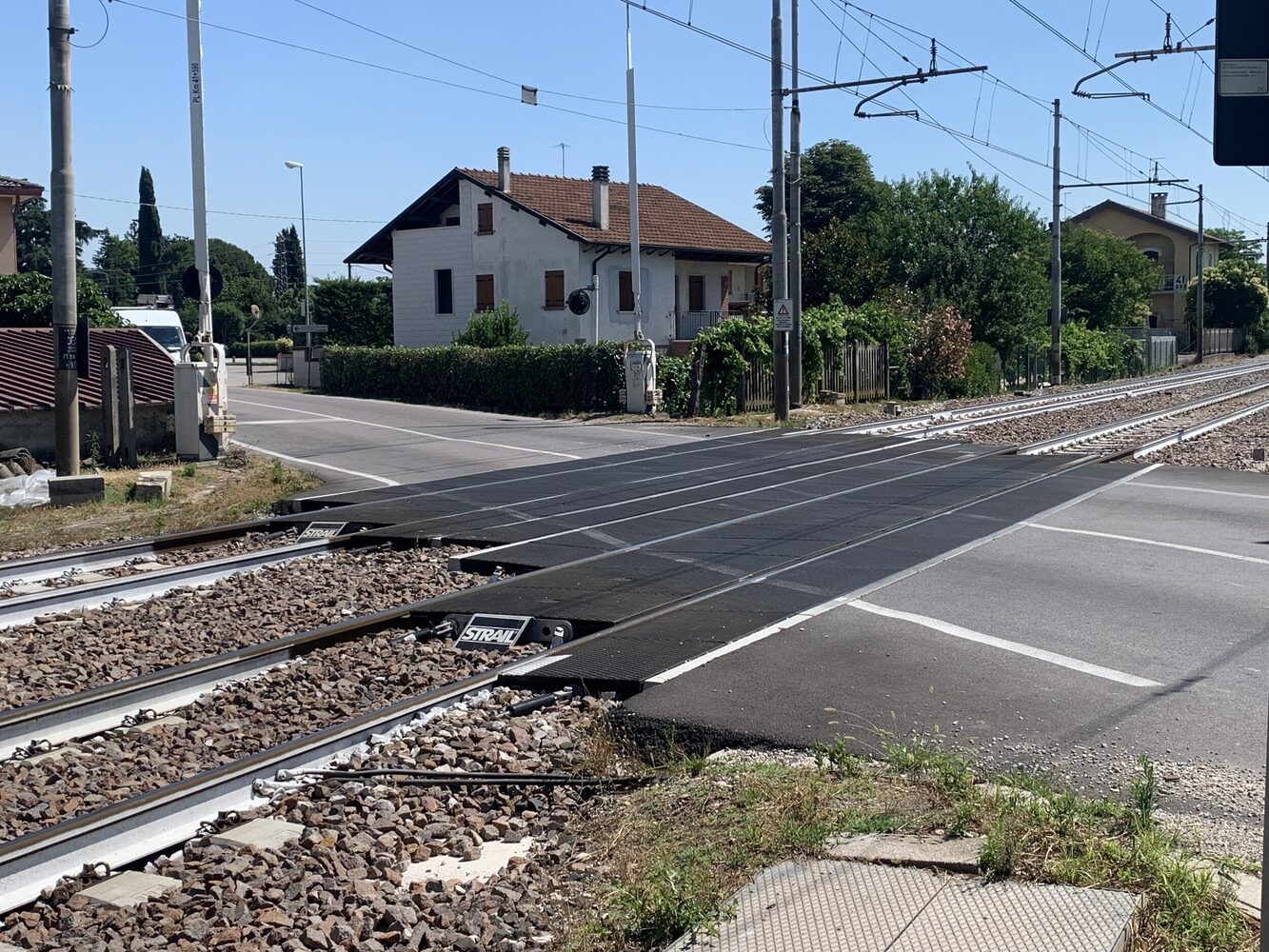
Advantages for operators, planners and first responders
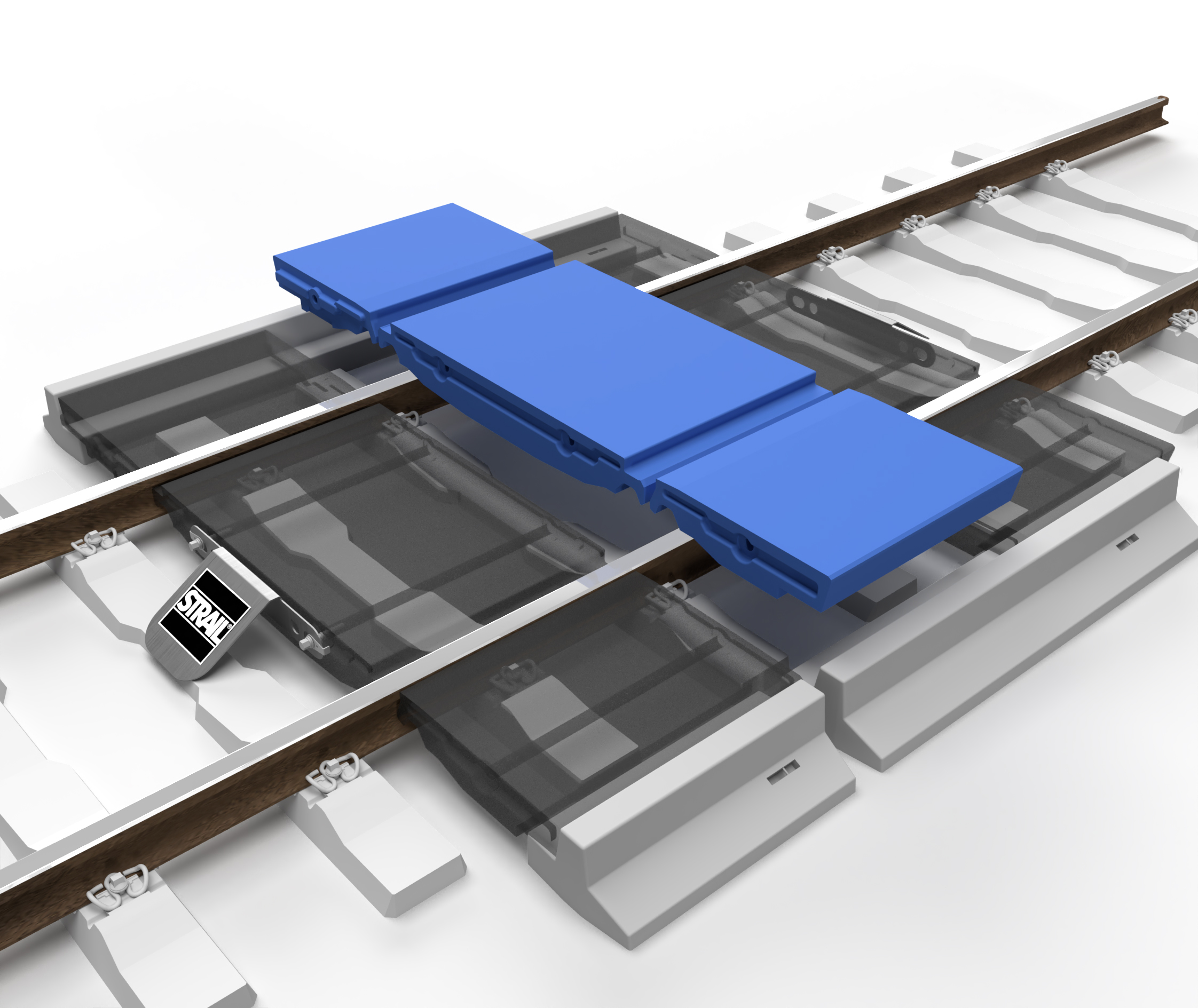
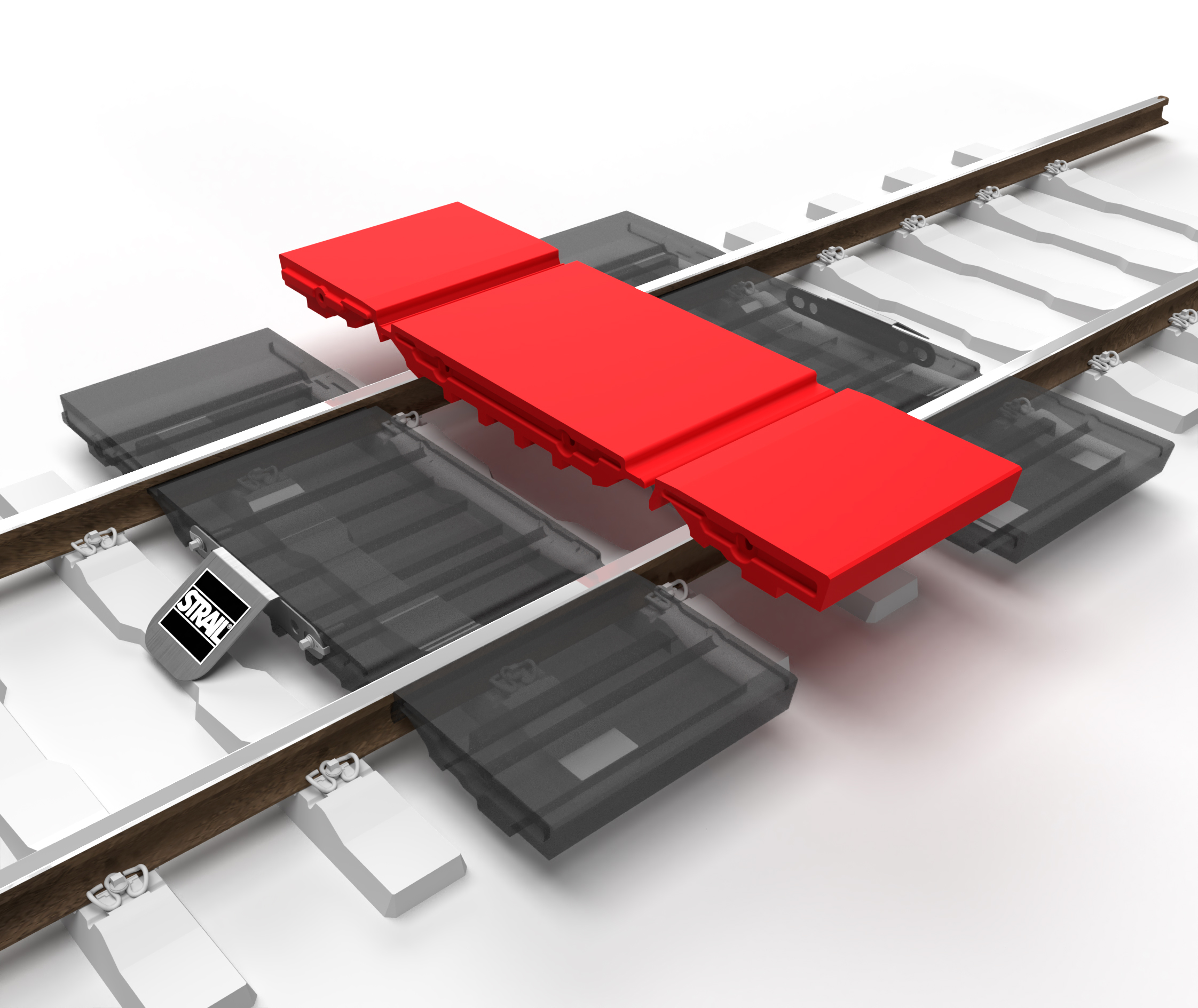
With inno, KRAIBRUG STRAIL offers a sleeper-spacing-independent system that does not require rail fittings and is therefore particularly economical and flexible to use, making it ideal for access points for maintenance and emergency vehicles. The patented surface made of high-tech rubber with integrated corundum ensures excellent slip resistance in all weather conditions.
Thanks to the modular system solution consisting of inner and outer panels, inno can be integrated easily, quickly and precisely into existing track areas. The system only requires a low installation height and offers a long service life.
pede is the ideal solution for pure pedestrian and bicycle traffic: the specially developed surface is particularly slip-resistant, while the low panel weight makes installation quick and easy. This also applies to sensitive areas such as bus stops, platforms or escape routes in tunnels.
Advantages for safety, accessibility and mobility
Safe, comfortable and barrier-free solutions are particularly important at level crossings with low traffic volumes but high footfall. pede was specially designed to meet these requirements: It enables pedestrians, wheelchair users or baby carriages to cross comfortably, without annoying gaps or slipping hazards. Cyclists also benefit from the even surface without any significant transition edges.
The threshold-independent systems deliberately dispense with a complex substructure and are therefore not only particularly economical to install, but can also be quickly maintained or replaced if necessary. This ensures minimal downtime during installation and removal.